If you’ve ever had a chimney inspection and walked away feeling nervous about using your fireplace — you’re not alone.
We hear it all the time at Kindled Timber here in Indianapolis:
“The chimney company said it could be dangerous.”
“They told us not to use it until we fix everything.”
“Now I’m afraid to light a fire.”
Let’s break this down honestly.
First: Fireplaces Are Not Inherently Dangerous
When properly installed, vented, and maintained, fireplaces are safe heating appliances.
Wood-burning, gas, and electric units all operate under specific safety standards. The issue is rarely the fireplace itself — it’s usually maintenance or venting conditions.
Where Fear Messaging Comes From
Some inspections are absolutely legitimate. If you have:
- Heavy creosote buildup
- A cracked flue liner
- Blocked chimney cap
- Improper vent sizing
- Structural deterioration
Those issues need to be addressed.
But there’s a difference between:
“This needs maintenance.”
and
“This is extremely dangerous — don’t use it.”
The wording matters.
What Is Creosote — And Should You Panic?
Creosote is a byproduct of burning wood. It builds up inside the chimney over time.
There are three stages:
Stage 1: Light soot — normal, easily cleaned
Stage 2: Flaky buildup — needs cleaning
Stage 3: Glazed, hardened creosote — more serious, may require specialized removal
Most homes fall into Stage 1 or 2.
Stage 3 is less common and typically caused by:
- Burning wet wood
- Poor draft
- Infrequent cleaning
The key point: buildup doesn’t mean “immediate disaster.” It means it’s time for maintenance.
Why Some Messaging Feels Intense
Chimney fires are real. Structural issues are real. Liability is real.
So some companies lean heavily into worst-case scenarios.
Fear closes jobs quickly. Education builds long-term trust.
At Kindled Timber, we believe homeowners deserve clear information — not panic.
When You Should Actually Be Concerned
You should pause use and call a professional if:
- You smell strong smoke inside the home
- Smoke is backing into the room
- You see cracked clay liner tiles
- There’s visible separation in chimney masonry
- Animals or debris are blocking the flue
Those are real red flags.
Routine soot? That’s maintenance.
The Bigger Picture: Safe Operation
Fireplaces stay safe when you:
- Burn properly seasoned wood (under 20% moisture)
- Schedule annual inspections
- Install properly sized liners
- Keep chimney caps intact
- Use the unit as designed
Neglect — not normal use — causes most problems.
Gas & Electric Fireplaces
Gas fireplaces do not produce creosote.
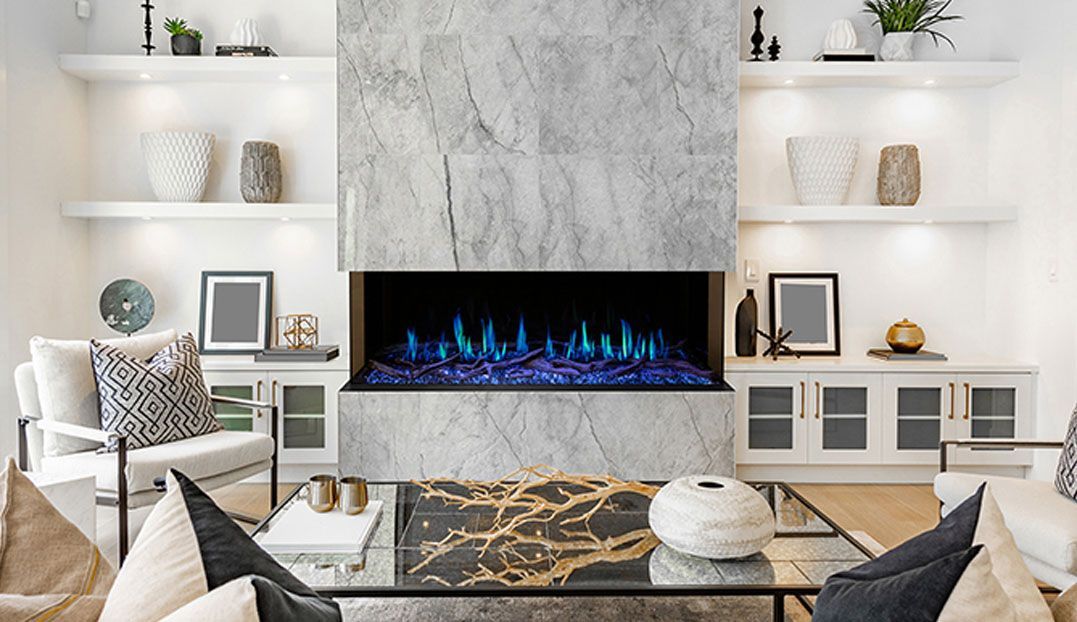
Electric fireplaces produce no combustion at all.
If someone is using heavy “fire risk” language on those units, that deserves clarification.
Our Approach in Indianapolis
At Kindled Timber, we:
- Explain what’s required vs. recommended
- Show you photos of what we’re seeing
- Break down urgency honestly
- Never exaggerate risk to force a repair
If something is unsafe, we’ll say it clearly.
If something just needs cleaning, we’ll say that too.
Final Thought
Fireplaces are meant to be enjoyed — not feared.
Maintenance is responsible.
Panic isn’t productive.
If you’ve recently had an inspection and feel unsure about what you were told, bring the report to us. We’ll walk through it with you and give you a straight answer.